


What is shot peening
What is shot peening?
The science behind peening
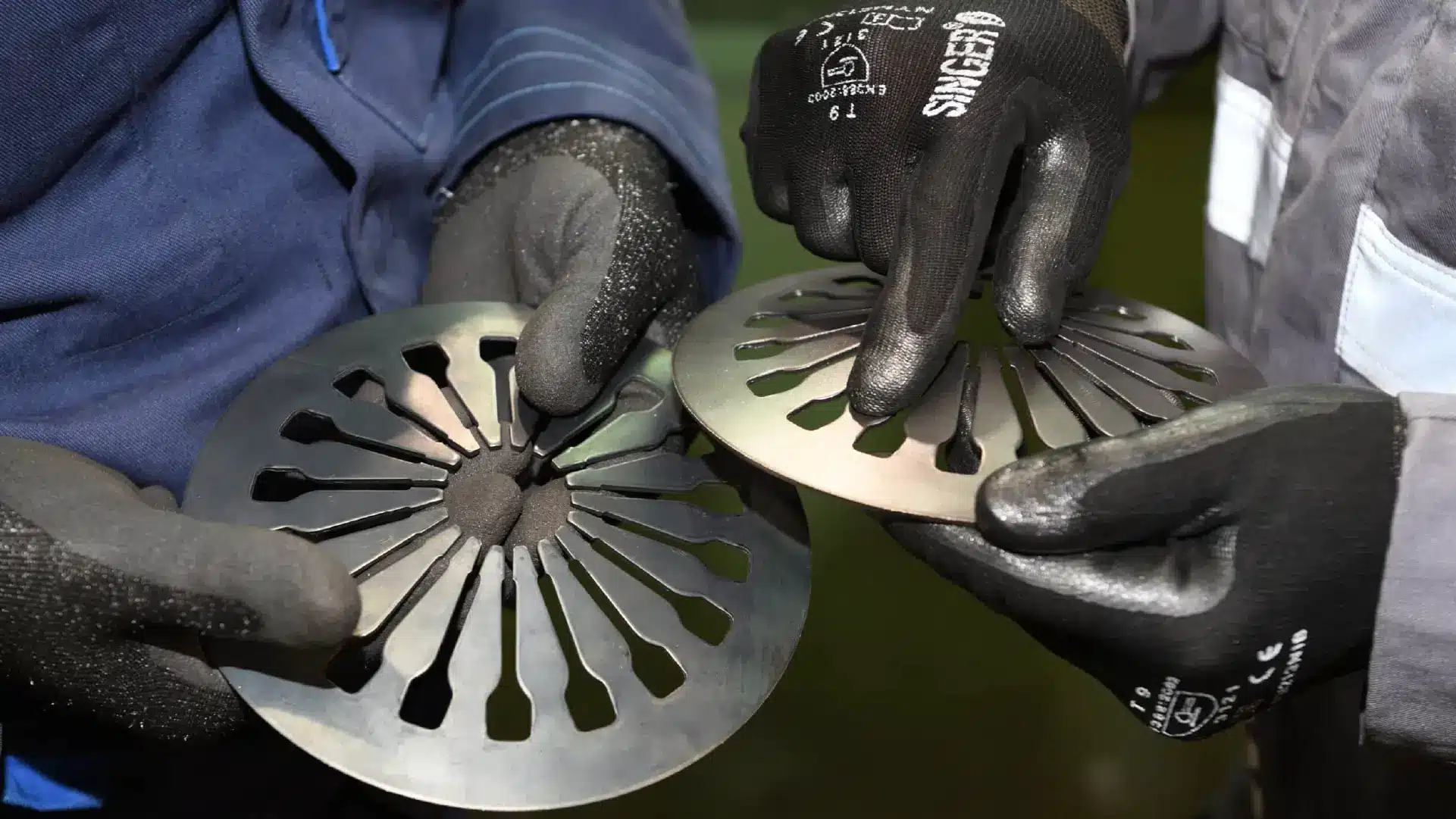
Shot peening is a controlled surface enhancement process used to improve the fatigue strength, durability, and reliability of metal components. By projecting small metallic media at high velocity onto a surface, the process creates beneficial compressive residual stresses that help prevent crack initiation and slow crack propagation.
Widely used in aerospace, automotive, railway, energy, and heavy industry, shot peening is one of the most effective methods for extending component service life and improving performance under cyclic loading conditions.
In this guide, you’ll learn how shot peening works, its key benefits, common applications, and how to select the right media and process parameters for optimal results.
Understanding the Science of Peening
Enhancing durability through advanced surface treatment

Why Winoa Is a Trusted Partner for Shot Peening
With more than 60 years of experience in surface treatment technologies, Winoa supports manufacturers worldwide in optimizing their shot peening processes and improving component performance.
Our expertise combines high-quality metallic media, dedicated technical centers, and advanced analysis methods such as X-ray diffraction (XRD) to help customers achieve consistent and reliable results.
Winoa also provides technical support, process optimization, and guidance on industry requirements, including SAE and AMS specifications, ensuring that shot peening operations meet the highest performance standards.
Learn more about Winoa’s dedicated shot peening expertise and technical services.
Shot Peening vs Shot Blasting
Although both processes use metallic media projected at high velocity, their objectives are fundamentally different. Shot peening improves fatigue resistance and component life, while shot blasting focuses on cleaning and surface preparation. For a detailed comparison, read our guide on the difference between shot peening and shot blasting.
The Benefits of Peening
Enhancing material performance and longevity
Peening is a crucial surface treatment process that offers several technical benefits, significantly improving the performance and durability of metallic components. Below, we detail the key benefits of peening
Enhanced Fatigue Resistance
Tensile Stress Mitigation:
- Mechanism: Peening induces compressive residual stresses on the surface layer of materials. These compressive stresses counteract the tensile stresses that typically cause fatigue failure.
- Benefit: By mitigating tensile stresses, peening significantly extends the fatigue life of components, making them more resilient under cyclic loading conditions.
Improved Stress Corrosion Resistance
Cracking Resistance:
- Mechanism: The compressive stresses introduced during peening reduce the tensile stresses that contribute to the initiation and propagation of stress corrosion cracks.
- Benefit: This results in a substantial reduction in the susceptibility of materials to stress corrosion cracking, particularly in aggressive environments, thus enhancing the overall durability of components.
Increased Wear Resistance
Surface Hardening:
- Mechanism: The repeated impacts during the peening process cause strain hardening of the surface layer, increasing its hardness.
- Benefit: The hardened surface is more resistant to wear and erosion, improving the component’s performance in abrasive environments and extending its service life.
Specifications for shot peening
Discover our specifications

Most suitable shot peening products
Peening solutions
Specifically, for shot peening, we have developed 3 steel products meeting the highest standard of quality.
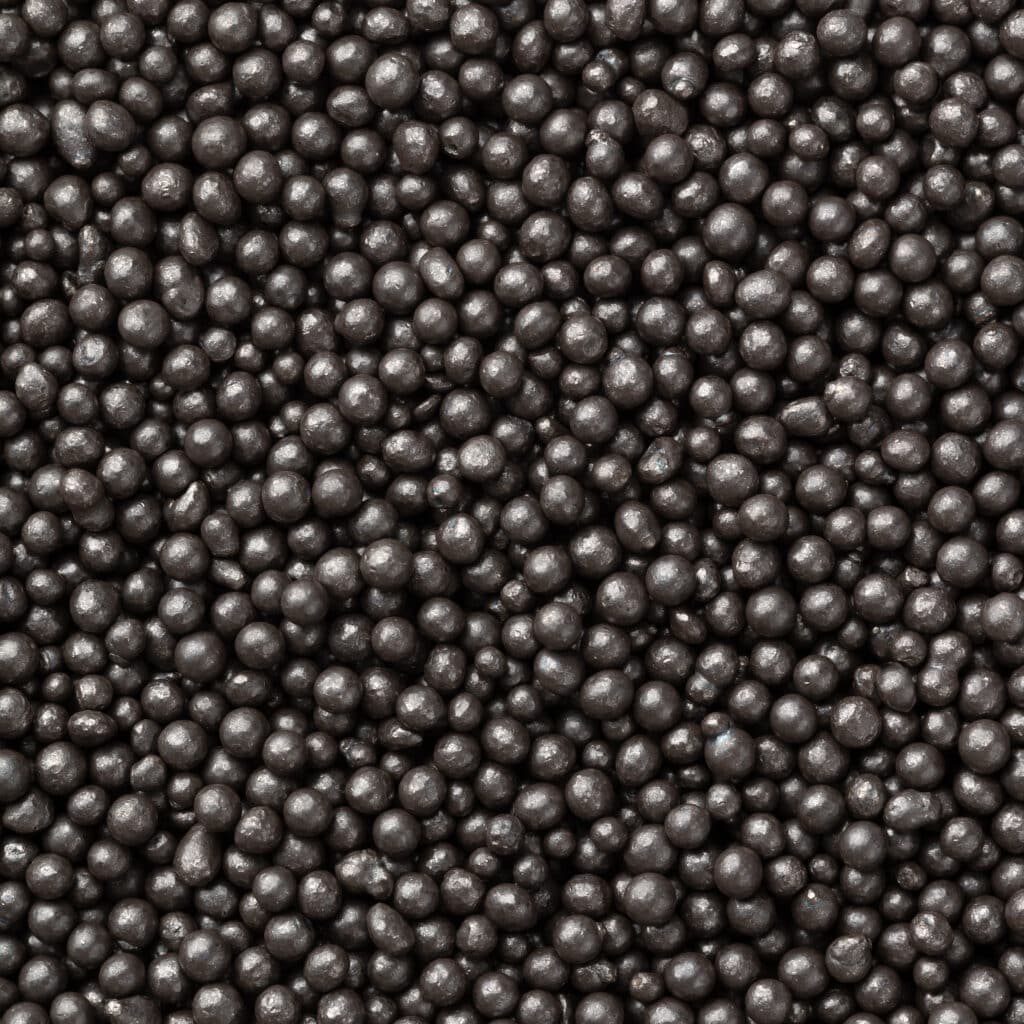
AMS Shot
Cast steel shot for peening or peen forming operations, our AMS shots are designed to meet the strict requirements of aerospace and military industries.
Discover AMS shot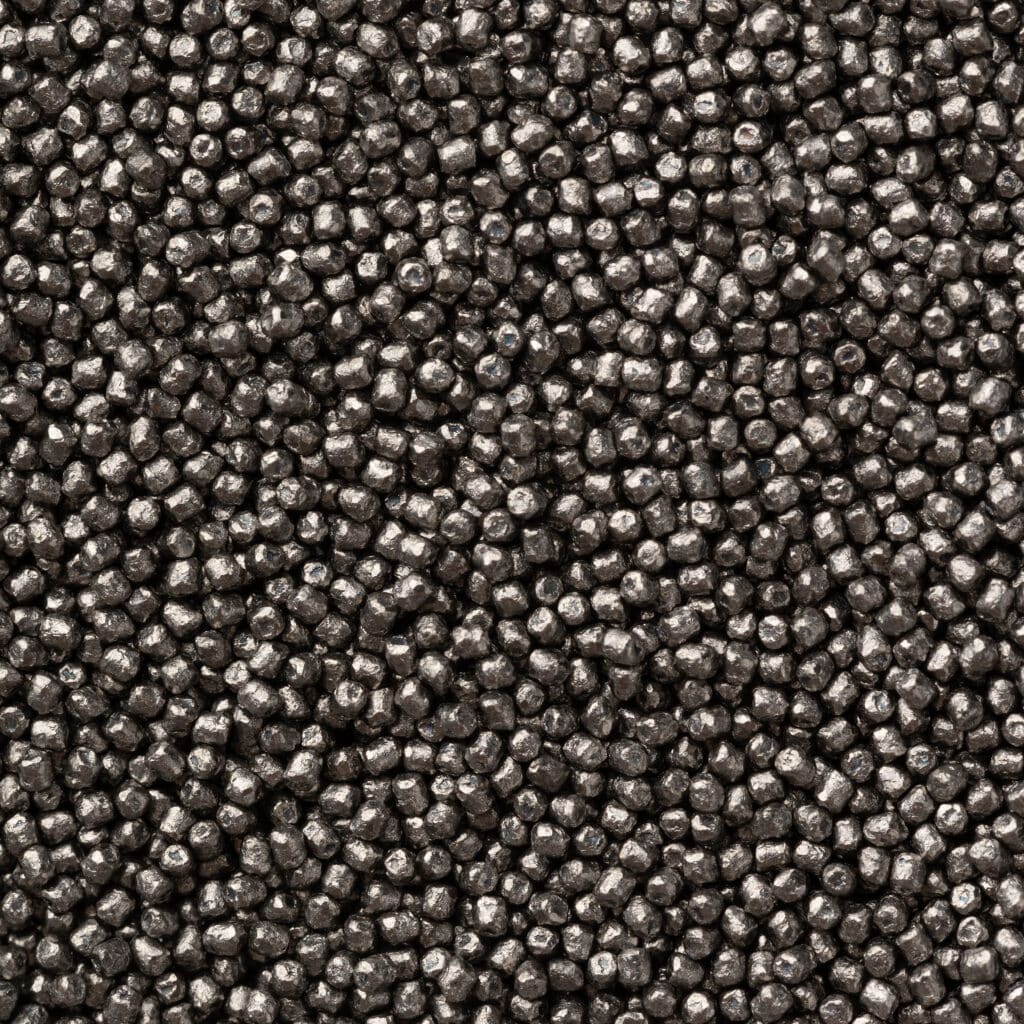
High Durability Cut Wire
Our high-durability conditioned Cut-Wire, manufactured by our partner Toyo Seiko in Japan (the world leading company for shot-peening media), is a specially heat-treated Cut-Wire for an extended shot life-time.
This extended life not only reduces shot consumption, but for critical peening applications, it ensures a more constant operating mix and peening shot size, reduces variables related to shot addition and control, resulting in a safer peening process.
Discover HD cur wire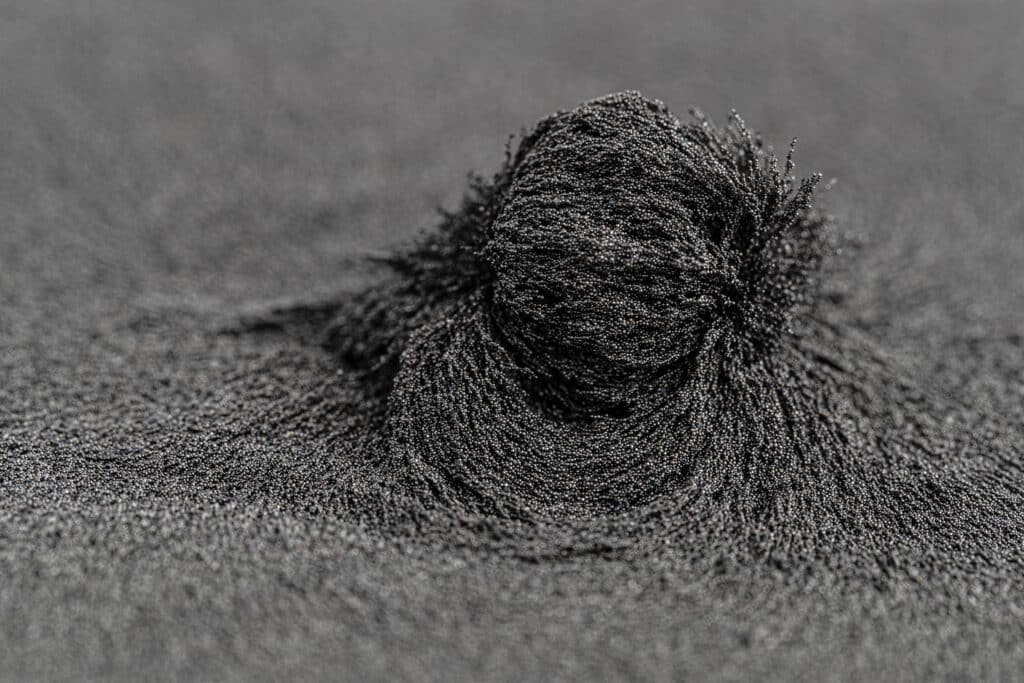
UFS Ultra Fine Shot
When some applications requires very small beads due to sharp radius and for precise shot peening, our high hardness, highly spherical shape high carbon micro shot will meet your needs.
With average sizes from 50 µm to 150 µm, and with a hardness above 770 Hv (63 RHc), our UFS shot is your solution to treat these complex shapes. They are commonly used in peening gears for electric cars, springs or molds, but also for dual peening to increase compressive residual stress on the outer layer of the surface.
Discover UFSOptimization for shot peening
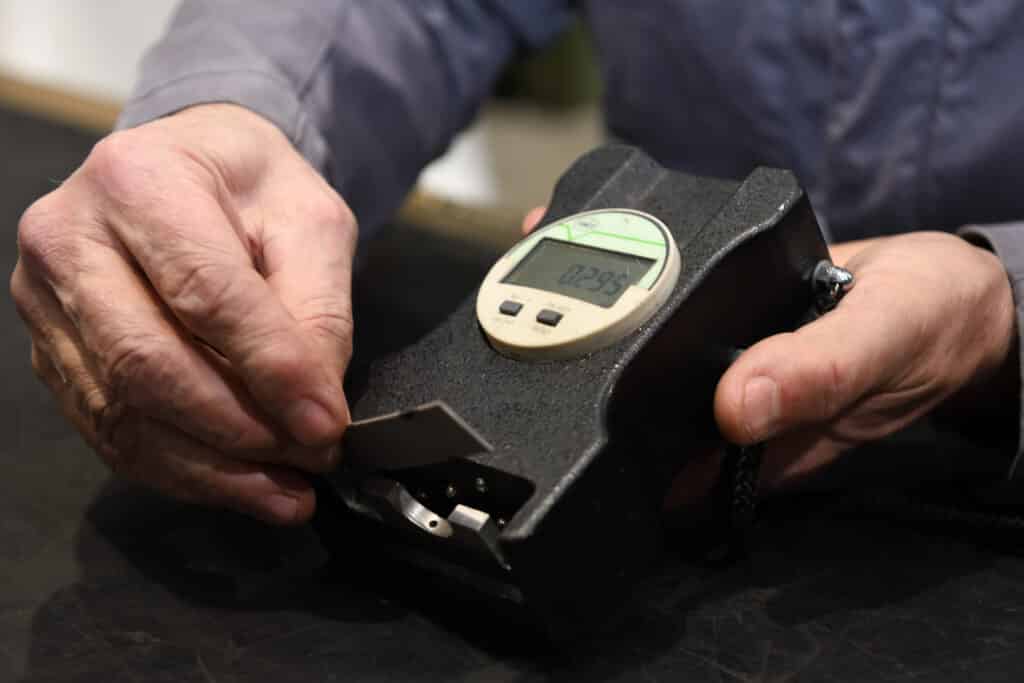
Moreover, in order to optimize the complex shot peening process, it is not enough to have a good shot, you need the tools and accessories to control the peening.
To do this, trust our peening accessories. Whether it’s W Abrasives Almen strips to the Almen strip holder, or the Almen Gauge to an automated Coverage Checker made by our partner Toyo Seiko, trust our experts to advise you on our tools.
Additional Services for Your Peening Needs
Comprehensive support
At Winoa, we not only provide high-quality peening shots and instruments, but also offer comprehensive support to enhance your operations and skillset. Our team can assist with the inspection and maintenance of your peening equipment, ensuring optimal performance, reliability, and longevity. Additionally, we offer specialized peening services at some of our tech centers. This global approach ensures you achieve the best possible results from your peening processes, tailored to meet your specific requirements.
Frequently Asked Questions (FAQ) about peening
Key inquiries in peening
Shot peening extends the service life of components across various industries, inducing a compressive stress layer to enhance resistance to fatigue, stress corrosion, and other detrimental effects.
Shot peening offers benefits such as increased component life, resistance to fatigue, and improved material properties, crucial in various industries.
Shot peening may face limitations if a component’s surface is too hard or if the surface temperature surpasses the metal’s normalizing temperature, leading to the loss of crucial residual compressive stresses. Moreover, the process demands an open surface for direct shot impingement, posing challenges when dealing with blind or inaccessible areas.
The ISO-26910 standard provides international guidelines for shot peening processes, ensuring industry-wide quality and consistency. For the shot media used, standards such as SAE AMS2431, SAE J444, and ISO 11124 provide detailed specifications on the media’s physical properties like shape, size, and hardness. These standards are crucial for achieving effective shot peening results, enhancing the durability and fatigue life of treated components by ensuring the media used meets rigorous quality criteria. Compliance with these standards guarantees the integrity and effectiveness of the shot peening process.
AMS 2430 & 2431: These are aerospace material specifications that cover the requirements for shot peening processes and peening media used in the aerospace industry. AMS 2430 specifies the general requirements for shot peening, including procedures and quality control, while AMS 2431 provides detailed specifications for the peening media.
VDFI 8001: This is a German standard that specifies the requirements for metallic shot peening media used in various industrial applications, ensuring consistency and quality in the peening process.
ISO 26910: An international standard that outlines the requirements for peening media, focusing on ensuring global consistency and quality for peening applications across different industries.
Each standard ensures that the media and processes used in shot peening meet specific quality and performance criteria relevant to their respective industries.
Contact us
Peening solutions
To be able to select the best option and services for your peening application, please communicate with one of our specialists